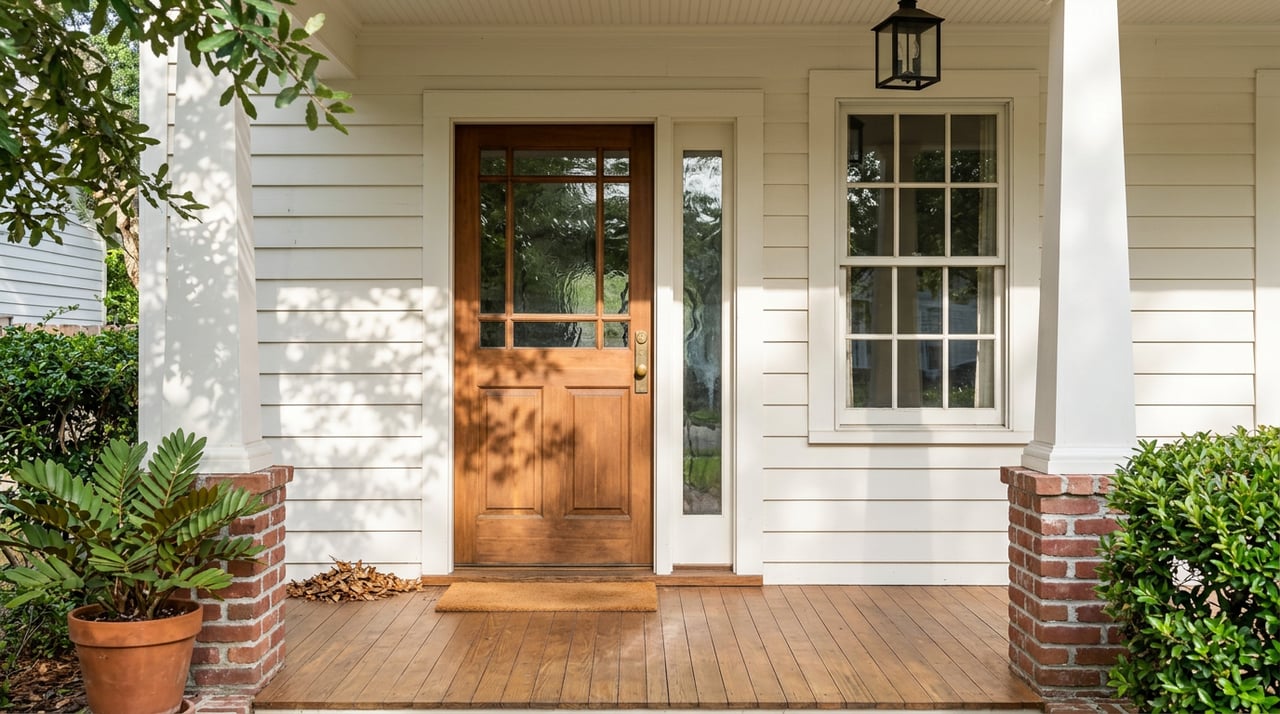
You fall in love with the brick streets, shady oaks, and front porches of Historic Old Northeast. Then the questions hit: What about insurance on a 1920s home? Do I need special permits to update windows or add a porch? You are smart to ask. In this guide, you will learn how to shop with confidence in Old Northeast, from inspections and permits to flood and insurance realities, plus a simple buyer checklist to keep you on track. Let’s dive in.
Why Old Northeast draws buyers
Old Northeast sits just northeast of downtown St. Petersburg with quick access to waterfront parks and city amenities. The neighborhood was first platted in 1911 and later listed on the National Register of Historic Places, with thousands of early 20th century structures that help explain the strong preservation culture here. The Historic Old Northeast Neighborhood Association offers helpful background on the area’s history and preservation focus, which shapes what you see on the street and how many neighbors care for their homes. You will notice brick streets, granite curbs, hex-block sidewalks, alley-access garages, and homes with welcoming front porches that face the street.
If you value character and walkability near downtown and the bay, Old Northeast is hard to beat. The neighborhood’s early planning patterns and varied architecture give it a true sense of place. That same character means you should plan your due diligence with both history and Florida’s climate in mind.
Architectural styles you will see
Old Northeast is a mix of styles from the early 1900s. Knowing which style you are buying helps you match maintenance, inspection priorities, and any future exterior updates to local design guidance.
Craftsman and bungalow
You will find many single-story and one-and-a-half-story bungalows with wide front porches, low-pitched roofs, and details like exposed rafter tails. Interiors often include original built-ins and hardwood floors. Wood siding and trim can need regular painting and diligent moisture management in Florida’s humidity.
Mediterranean and Spanish Revival
Stucco walls, clay tile roofs, and arched openings define this look, which is especially notable in areas like Granada Terrace. Clay tile roofs often last longer than shingles, but repair approaches and costs differ from asphalt. Stucco needs periodic inspection for cracking and sealant failures.
Colonial Revival, Prairie, and vernacular mixes
You will also see Colonial Revival forms and other early 20th century influences throughout the district. If you are planning exterior work, the City’s Design Guidelines summarize appropriate materials and review expectations for historic properties so you can plan updates that fit the house and meet local standards.
Inspections and age-related issues to prioritize
Homes from the 1910s–1940s can be wonderfully solid, but age plus Florida’s heat, humidity, and salt air create a predictable set of items to check. Build these into your offer strategy and inspection window.
- Roof and attic. Verify roof age, covering type, flashing, and ventilation. In Florida, many insurers limit options or pricing by roof age, and a roof certification can be required to bind coverage. Wind-mitigation inspections can also earn credits.
- Wind mitigation and openings. A wind-mitigation report documents roof-to-wall attachments, roof deck condition, and opening protection such as impact glass or shutters using the state OIR form that carriers rely on.
- Electrical. Older panels and wiring can be flagged by insurers or lenders. Expect your 4-point or insurance review to focus on panel type, GFCI protection, and overall condition.
- Plumbing. Look for galvanized water lines, cast-iron drains, and, in later homes, any presence of polybutylene piping. Polybutylene is a known failure and insurance concern and can be expensive to replace.
- Termites and WDO. Pinellas County’s humidity and older wood members make WDO inspections essential. Ask for any treatment history.
- Moisture, stucco, and exterior finishes. Stucco cracks, failed sealants, and rotted fascia or soffits are common in coastal climates. Address drainage, gutters, and flashing before cosmetics.
- Foundations and drainage. Older homes may sit on piers or rusticated block. Inspect for settlement, soft spots, and grading that sends water toward the structure. If your general inspector flags movement, get a structural review.
- Sewer lateral. Old cast-iron laterals and mature roots can clog or collapse. Order a sewer-camera scope to prevent surprise repairs.
- Lead-based paint and older materials. Homes built before 1978 may have lead-based paint, and sellers must provide federal lead disclosures. Where concerns exist, plan for testing or consult an RRP-certified contractor.
Helpful references for these items include Florida’s wind-mitigation guidance from the Office of Insurance Regulation and carrier notes about roof age and documentation. Local inspectors often package general, 4-point, wind mitigation, and WDO into one visit so you can move quickly.
Recommended inspection package for Old Northeast
- Full home inspection with moisture testing
- 4-point inspection for insurance (roof, plumbing, electrical, HVAC)
- Wind-mitigation inspection
- WDO/termite inspection
- Sewer scope
- Roof certification from a licensed roofer if roof age is borderline
- Elevation Certificate if the property is near the bay or in a mapped flood zone
If inspections uncover major items, convert findings into contractor bids so you can negotiate repair credits, price adjustments, or seller-completed work before closing.
Permits, COAs, and working with history
Historic designation comes in two flavors. National Register listing is primarily honorary and does not by itself restrict a private owner’s right to alter a property. Local designation is different. In St. Petersburg, exterior changes visible from public ways on locally designated landmarks or within local historic districts require a Certificate of Appropriateness before work begins. The City’s Design Guidelines explain what needs staff sign-off versus full commission review and outline appropriate materials.
Expect to submit elevation drawings, material specs, and a clear scope for any COA-triggered work. Interior updates are typically not reviewed unless tied to a local tax relief application. Even when your home is not locally designated, structural changes, roof replacement, window changes that alter openings, and additions usually require building permits. Ask for records of prior permits and any COAs during your due diligence.
There is also a potential tax benefit. Florida law allows local governments to grant ad valorem tax exemptions that freeze assessed value increases for qualified historic rehabilitations for a set period, which Pinellas County and the City of St. Petersburg implement on approved projects. Confirm whether any exemption or covenant applies to the property you are buying.
Flood and insurance realities near the bay
Parts of Old Northeast sit near Coffee Pot Bayou and Tampa Bay. If a property is in a FEMA Special Flood Hazard Area and you are using a mortgage, your lender will require flood insurance. Always check the specific address in FEMA’s Flood Map Service Center and, if applicable, request the seller’s Elevation Certificate to help estimate premiums.
Standard homeowners policies do not cover flood. You will secure coverage through the National Flood Insurance Program or a private flood carrier as required. Separately, Florida homeowners insurance on older homes often hinges on a 4-point and wind-mitigation report. Roof age and documented hardening features are frequent underwriting triggers, so involve your insurance advisor early and use inspection timelines to collect what carriers need.
Value, resale, and the tradeoffs to weigh
Studies in St. Petersburg and nationally have found that historic districts often stabilize or lift property values and produce positive neighborhood impacts like investment and tourism. That helps explain why many buyers pay a premium for Old Northeast’s character and location. At the same time, local review can add steps to exterior alterations, and historic-sensitive repairs may cost more.
The net of it is a tradeoff. You gain neighborhood stability and distinctive streetscapes, while accepting a bit more planning for renovations and insurance. If you compare Old Northeast to newer neighborhoods, focus on total cost of ownership, including maintenance cycles, insurance, and any expected tax changes.
Smart questions to ask before you offer
- What year was the home built and when were major systems last replaced, including roof, HVAC, panel, and plumbing?
- Are there permits and final inspections for renovations or additions? If locally designated, is there a Certificate of Appropriateness for exterior work?
- Do you have a recent WDO report and any treatment history?
- Is there an Elevation Certificate and current flood policy information if the property is near the bay or mapped in a flood zone?
- What wind-mitigation features are documented, such as impact-rated openings or hurricane shutters?
- Are there recent homeowners insurance quotes that confirm the home is insurable in the private market with its current condition?
- If the property used a historic rehabilitation tax exemption, what documentation or covenants will transfer to the next owner?
How I help you buy in Old Northeast
Buying a historic home takes clear steps and the right local team. I connect you with inspectors who know our older Pinellas housing stock, help you plan insurance and flood checks early, and guide you through permits, COAs, and contractor bids so you can protect both character and budget. If Old Northeast is the right fit, I will help you get there with confidence.
Ready to talk strategy for a Historic Old Northeast home? Schedule a call with Drift Home Realty.
FAQs
What is a Certificate of Appropriateness in St. Petersburg?
- It is City approval required for exterior changes visible from public ways on locally designated landmarks or within local historic districts, guided by the City’s design standards.
Which inspections matter most for a 1920s Old Northeast home?
- Prioritize a general inspection, 4-point, wind-mitigation, WDO, sewer scope, and a roof certification if roof age is borderline for insurance.
Do all Old Northeast homes require flood insurance?
- Only homes in a FEMA Special Flood Hazard Area with a mortgage must carry flood insurance; confirm by checking the address in FEMA’s map portal and review any Elevation Certificate.
Can you replace original windows in a historic Old Northeast home?
- Yes, but if the property is locally designated, exterior changes visible from the street usually need a Certificate of Appropriateness and must follow the City’s design guidance.
How do clay tile roofs affect a Mediterranean Revival home’s maintenance?
- Clay tile often has a longer service life than shingles, but repairs and underlayment work differ, so budget for tile-specific maintenance and verify roof condition during inspections.
