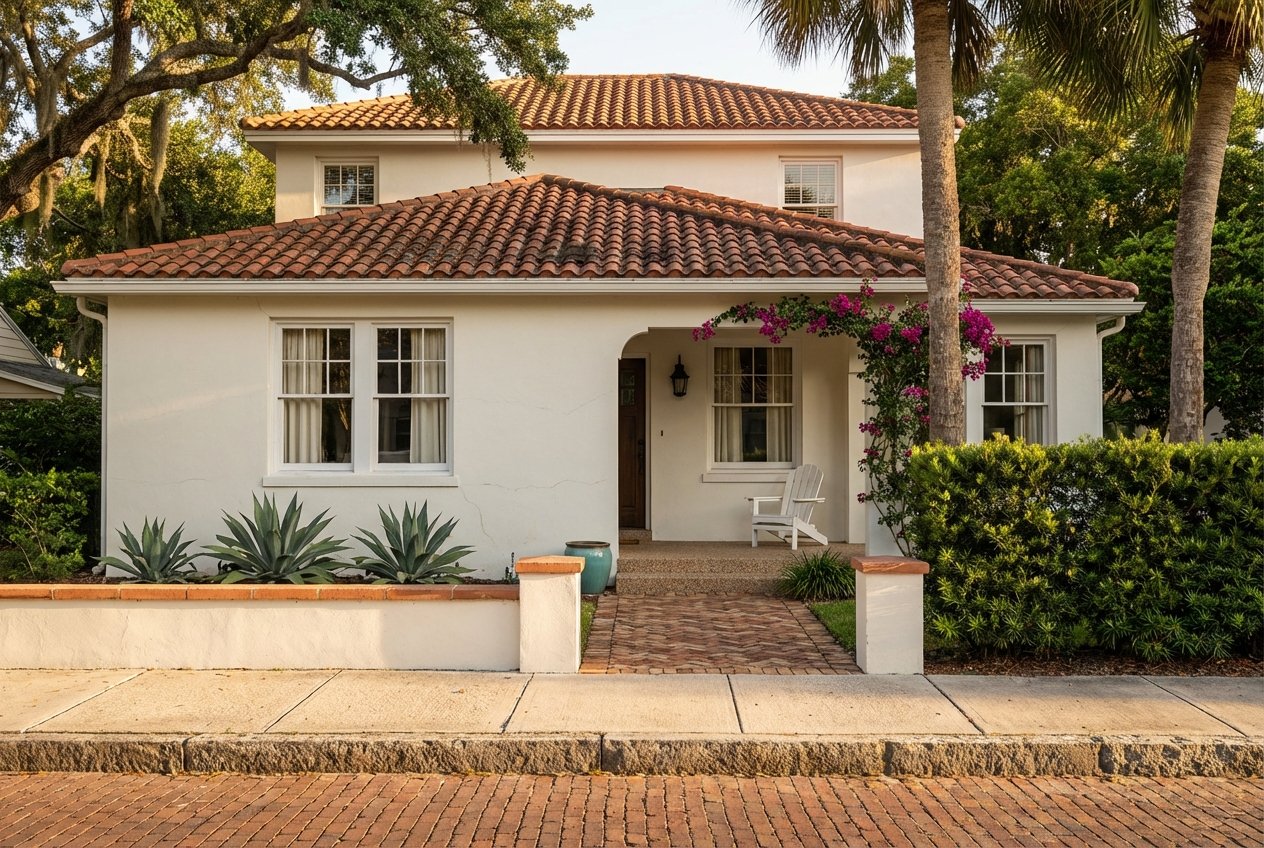
Craving brick streets, front-porch chats, and the bay just a short stroll from home? If you picture a walkable, tree-lined pocket beside a lively downtown, Historic Old Northeast in St. Pete might be your sweet spot. You want a clear picture of daily life, housing, and what to expect before you take the leap. This guide gives you an insider’s look at the neighborhood’s lifestyle, costs, and practical tips so you can decide with confidence. Let’s dive in.
Where Old Northeast sits and why it charms
Historic Old Northeast sits directly north of downtown St. Petersburg and the waterfront parks, with the district listed on the National Register of Historic Places in 2003 as the North Shore Historic District. You can confirm the designation on the county’s official list of historic places. The historic scale shows up in everyday details: narrow gridded blocks, brick-paved streets, granite curbs, and hex-block sidewalks that create a distinctive look and feel.
Within the neighborhood, Granada Terrace showcases Mediterranean-inspired design on a smaller, locally designated scale. Longtime neighborhood stewards and the local association help keep the public realm cared for, which is why you see healthy street trees, active parks, and regular community programming woven into daily life.
Streets, parks, and daily rhythm
Most homes present welcoming front porches to the street, while garages and service access sit on rear alleys. That pattern supports a porch-forward social vibe and makes short walks feel convenient. You will notice neighbors greeting each other on evening strolls and kids riding bikes under a mature tree canopy.
Old Northeast borders some of St. Pete’s most beloved waterfront parks, including Vinoy Park, North Shore Park, and the Elva Rouse and Flora Wylie areas. The park system is a major part of daily life, from dog walks and sunrise runs to big-city festivals. Browse the parks and features through the Waterfront Parks Foundation to get a feel for amenities like open lawns, playgrounds, and scenic lookouts.
A short walk connects you to the Gizella Kopsick Palm Arboretum, a peaceful pause spot with palms from around the world, and to the bayside trail that traces the water. The North Bay waterfront trail is popular for cycling, leisurely walks, and taking in sunrise views.
Getting around: walk, bike, and transit
If you prize walkability and biking, Old Northeast delivers. Neighborhood snapshots show strong walk and bike scores, with the most walkable blocks closest to Beach Drive and Vinoy Park. Check the block-by-block picture on Walk Score for specifics.
Transit is available but not the main mover. The Pinellas Suncoast Transit Authority operates local bus routes that connect to downtown and Grand Central Station, and downtown trolleys and loopers make short hops simple. For many residents, the go-to mix is walking, biking, short transit rides, or quick drives for errands and nights out.
Culture, dining, and downtown access
One of the biggest perks is your effortless access to downtown St. Pete. In minutes, you can be on Beach Drive or Central Avenue for restaurants, cafés, and galleries. Cultural anchors like the Salvador Dalí Museum and the St. Pete Pier are close enough for weeknight inspiration. The Saturday Morning Market and frequent waterfront festivals keep the calendar full.
For day-to-day needs, you will rely on nearby downtown stores, markets, and independent cafés. Explore the downtown retail cluster and neighborhood overview to map out groceries, banks, pharmacies, and grab-and-go eats.
Housing styles and what you’ll find
Old Northeast offers an architectural mix that tells the neighborhood’s early 20th-century story. You will find 1920s–1940s Craftsman bungalows, classic cottages, Mediterranean Revival homes, and some larger waterfront estates. Alleys are common, and many lots follow traditional patterns around 60 feet by 100 feet, with some narrower pockets.
The variety makes for a charming streetscape but also shapes the market. There are fewer brand-new, large apartment buildings inside the historic grid, and traditional starter condos or two-bedroom rentals are not as abundant as in suburban-style areas. Many buyers focus on thoughtfully renovated homes that preserve historic character while upgrading systems and interiors.
What homes and rentals cost
Expect premium pricing relative to most of Pinellas County. Recent neighborhood snapshots place many median sale or list figures around or above the 1 million dollar mark, with significant variation by home size, location, and level of renovation. Restored historic homes and properties on or facing parks and waterfront edges tend to command the strongest premiums. Inventory is often tight, though it ebbs and flows as larger or notable homes come to market.
For renters, options exist but tend to be limited and priced above city averages because of location and demand. Recent aggregator snapshots show studio and one-bedroom rents often in the low-to-mid 1,300 to 1,800 dollar range, and two-bedrooms in the mid-2,000s or higher depending on condition and exact block. Short-term and seasonal listings are common because of tourism and proximity to downtown. Always check current listings to confirm real-time pricing.
Practical realities to plan for
Historic review and renovations
Parts of Old Northeast are locally designated, including pockets like Granada Terrace, and exterior changes that affect historic character may require a Certificate of Appropriateness. Before you plan exterior projects beyond routine maintenance, review neighborhood guidance and connect with city preservation staff. HONNA’s preservation resources explain the basics and why early conversations help projects go smoothly.
Flood and insurance awareness
Because Old Northeast hugs the bayside edge of downtown, some blocks sit in lower-lying areas that are more exposed to tidal flooding or storm surge during major events. Pinellas County is actively assessing flood vulnerability and sea-level-rise scenarios, and it publishes planning materials that are helpful for buyers and renters. As you evaluate homes, check FEMA flood maps, ask about elevation and any previous flood claims, and discuss flood and wind coverage with your insurance pro. The county’s vulnerability assessment hub is a strong starting point for research.
Festivals, events, and parking
Vinoy Park and the downtown waterfront host major city events like art festivals and concerts. On big weekends you can expect more visitors, higher noise levels near the water, and temporary parking pressure. Many residents plan around event calendars, enjoy walking to the action, and use guest parking strategies for busy weekends.
Commute and airports
Old Northeast gives you quick access to downtown employers and cultural destinations without a highway commute. For regional travel, residents commonly use St. Pete–Clearwater International (PIE) and Tampa International (TPA). Typical drive times from downtown St. Pete fall in the 15 to 30 minute range depending on traffic, which aligns with local hotel and visitor guidance.
Schools and family life
Public schools in Pinellas County, including North Shore Elementary, serve parts of the neighborhood. Because attendance boundaries can change, always verify school zoning with the district and review current information for any specific address. Families often appreciate the small-lot, front-porch street pattern and the walkable routes to parks and community events.
Weekend checklist when you visit
Use this quick plan to get a feel for day-to-day life:
- Walk a few blocks at different times. Try a weekday morning and a weekend evening to gauge traffic, parking, and porch-life energy.
- Explore Vinoy Park, North Shore Park, and the bayside trail. Note noise levels, views, and how you would use each space.
- Grab a bike ride or walk to downtown. Time your trip to Beach Drive or the Pier to understand your real walkability.
- Sample the Saturday Morning Market or a museum visit. Pair a stop at the Dalí Museum with a waterfront stroll to see how cultural access feels in practice.
- Scan current rentals and sales. Review real-time rental listings to confirm pricing and scarcity, and note how renovated homes compare to those needing updates.
- Ask flood and insurance questions. Confirm a property’s elevation, past claims, and any recent resilience upgrades like roofing, windows, or drainage.
- If you plan exterior work, learn the process. Read up on Certificates of Appropriateness and contact preservation staff early.
Is Old Northeast right for you?
If you want a leafy, historic neighborhood that trades cul-de-sacs for gridded streets, and you value the ability to walk to museums, restaurants, and waterfront parks, Old Northeast is a compelling fit. You will pay a premium for the location and character, and you will want to approach renovations and insurance with eyes wide open. In return, you get a daily rhythm shaped by porches, parks, and a vibrant downtown at your doorstep.
Ready to explore homes or map the best blocks for your lifestyle and budget? I am here to help you compare options, understand historic considerations, and move forward with clarity. Reach out to schedule a free consultation with Drift Home Realty, and let’s build your St. Pete plan.
FAQs
Is Historic Old Northeast walkable for daily errands and parks?
- Yes. Many blocks offer strong walk and bike access to cafés, downtown amenities, and waterfront parks, though walkability varies block by block. You can review localized scores on Walk Score.
How much do homes cost in Historic Old Northeast, St. Pete?
- Recent snapshots often place neighborhood medians around or above 1 million dollars, with big swings based on size, location, and renovation level. Premiums are highest for park-front and waterfront-adjacent homes.
Are rentals available and what do they cost in Historic Old Northeast?
- Rentals exist but are relatively limited and usually above city averages. Recent snapshots show studios and one-bedrooms roughly 1,300 to 1,800 dollars, and many two-bedrooms in the mid-2,000s or higher, depending on condition and block.
What historic rules affect renovations in Historic Old Northeast?
- In locally designated areas, exterior changes that alter historic character often require a Certificate of Appropriateness. Talk with the city’s preservation staff early to confirm what applies to your address.
Is flooding a concern near the Old Northeast waterfront in St. Pete?
- Some blocks are more exposed to tidal flooding and storm surge. Review FEMA maps, ask about elevation and past claims, and use Pinellas County’s vulnerability resources to inform insurance and resilience planning.
What is the neighborhood vibe in Historic Old Northeast, St. Pete?
- Leafy and porch-forward on quiet residential blocks, with immediate access to the energy of downtown museums, markets, restaurants, and frequent waterfront festivals.
