Selling a historic home in Old Northeast is different from selling a newer house across town. You are balancing charm, city rules, and the expectations of buyers who value character and walkability. With the right prep, you can protect your home’s integrity and attract stronger offers. In this guide, you’ll learn what to fix first, which rules apply, how to stage for impact, and the exact steps to get market ready. Let’s dive in.
What makes Old Northeast special
Old Northeast is one of St. Petersburg’s earliest planned neighborhoods, known for brick streets, hex-block sidewalks, and a canopy of mature oaks and jacarandas. You also see a high concentration of Craftsman bungalows, Mediterranean Revival, and Colonial Revival homes. The neighborhood’s history and National Register status are well documented by the Historic Old Northeast Neighborhood Association, which highlights the area’s legacy and community focus. You can explore that background on the association’s overview of the neighborhood’s mission and history at the Historic Old Northeast Neighborhood Association.
Buyers here often value walkability to downtown, front porches, and proximity to the waterfront like Coffee Pot Bayou and North Shore Park. Inventory ranges from cozy bungalows to renovated historic homes and select waterfront lots. Knowing this buyer mindset helps you prioritize repairs and highlight the features that matter most.
Know the rules before you list
Historic review and COA
If your home is a locally designated landmark or located within a locally designated historic district, exterior work usually requires a Certificate of Appropriateness, also called a COA, before you start. The City’s Community Planning and Preservation Commission reviews these applications with staff support. To see how COAs are evaluated and who to contact, review a recent City staff report that outlines the process and examples of decisions in a CPPC staff report example. Interior work is typically not reviewed unless tied to special programs. For exterior repairs like windows or roofs, the City’s design guidelines explain preferred approaches and materials, which can speed approval. You can browse those in the Design Guidelines for Historic Properties.
Florida seller disclosures
In Florida, you must disclose known facts that materially affect value and are not readily observable. Courts have made it clear that “as-is” does not remove the duty to disclose known latent defects. If you are unsure whether something should be disclosed, the safe move is to include it and provide documentation. A local legal summary of this standard references the rule set by case law, which you can review in this Florida disclosure duty summary.
Lead-based paint rules
If your home was built before 1978, federal law requires that you provide buyers with the EPA/HUD lead pamphlet, disclose any known information about lead-based paint or hazards, and include the required lead warning statement in the contract. Buyers also receive a period to conduct a lead inspection unless they waive it in writing. You can confirm your obligations in the EPA’s Lead-Based Paint Disclosure Rule.
Flood zones and insurance
Many buyers and lenders ask about flood history and flood-zone status. If your property is in a Special Flood Hazard Area, lenders often require flood insurance, which can affect buyer budgets. It helps to verify your flood zone and gather any elevation certificate or insurance info up front. Use FEMA’s resources to understand designations and maps through the FEMA Flood Map Service Center overview.
Tax relief for rehab
If you recently completed a certified rehabilitation of a historic property, you may be eligible for a local ad valorem tax exemption. Florida law allows local governments to adopt these programs for qualifying work. If you have an approval, bring that documentation into your marketing package. You can read the enabling statute in Florida Statutes Chapter 196.
What to fix first
Triage your prep so you address safety, systems, and curb appeal in the right order. This approach reduces deal-killing surprises and helps your listing shine.
A. Safety, code, major systems
- Roof: Repair active leaks or replace failing roofing. Roof issues often stall financing and inspections.
- Electrical: Update unsafe panels or wiring and correct overloaded circuits if they are a hazard.
- Plumbing: Fix active leaks and evaluate cast-iron or corroded lines that risk failure.
- HVAC: Service the system and gather service records. Buyers appreciate clear dates and documentation.
- Termites/WDO: Order a WDO inspection and address any activity. It is common in Florida and can affect negotiations.
- Structure and moisture: If there are settlement concerns or chronic moisture, get repairs or engineering documentation.
A targeted pre-list inspection can surface the highest impact fixes and help you decide what to repair versus disclose. For a practical overview of why pre-list inspections help with older homes, review this historic home selling guide.
B. Exterior and curb appeal
- Porches: Repair decking, rails, and columns. The porch is a key first impression in Old Northeast.
- Historic windows and trim: If you plan to replace windows, check whether a COA is needed first. In many cases, repairing and weatherstripping originals preserves character and satisfies historic-minded buyers.
- Paint and touch-ups: Freshen high-traffic areas and address peeling or failing paint.
- Landscaping: Trim back overgrowth that hides architecture, refresh mulch, and repair walkways for show-safe access.
The City’s design guidelines recommend repair over replacement where feasible and matching materials to maintain historic integrity. That approach can also streamline COA approval later.
C. Documentation and inspections
- Gather permits, receipts, and dates for roof, electrical, plumbing, and HVAC work.
- Keep records of any COA approvals or City correspondence.
- If your home is pre-1978 and you plan to disturb painted surfaces, hire an EPA RRP-certified renovator and keep their compliance documentation. You can learn about RRP rules through the EPA resources linked above.
Stage and market for impact
Highlight character, not trends
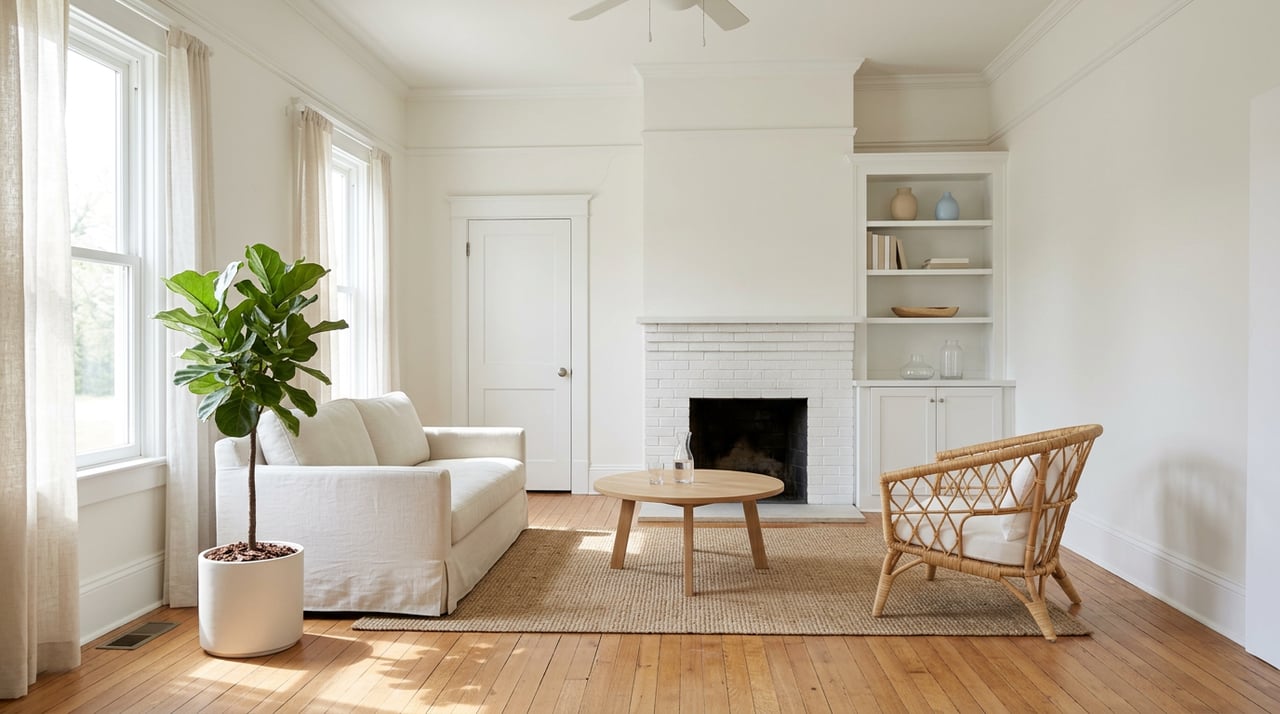
Buyers choose Old Northeast for original floors, mantels, mouldings, built-ins, and porch details. Your job is to showcase those features while helping buyers picture daily life. Declutter, neutralize wall colors where it helps, and avoid removing intact historic elements just to chase a quick trend. Preservation best practices encourage repair and conservation first, which you can see reflected in the NPS cultural resource management guidance and in consumer-friendly staging tips in the historic home selling guide.
Focus your staging where buyers spend the most attention: the entry and porch, the living room, the kitchen, and the primary bath. Use simple, scaled furnishings so rooms feel open. Add warm lighting to highlight woodwork and tile.
Photos and virtual tours
Professional photography is a must for historic listings. Include a clear front elevation, bright interior shots, and detail photos of period features. Twilight exteriors can capture the canopy and porch glow. If your floor plan is unique, add a measured floor plan and a narrated video or 3D walkthrough to help out-of-area buyers visualize flow.
Buyers also respond to confidence-building facts. In your marketing remarks and at showings, call out verifiable items that reduce friction: roof year, HVAC dates, WDO report, permit history, any COA approvals, flood information, and whether tax-exempt rehabilitation approvals apply. Organized documentation supports a smoother offer and inspection period.
Pricing and timing tips
Pricing a historic home in Old Northeast requires nuance. Recent neighborhood summaries suggest median sale prices around roughly 1.0 to 1.1 million dollars as of late 2025 into early 2026, but every home’s condition, location, and documentation change the story. The best path is to review current, hyperlocal comps and confirm them with a professional market analysis.
Decide whether to list now or complete targeted fixes first. Low-cost, high-ROI touches like fresh paint, a deep clean, and yard refresh usually help photos and showings. For bigger items like a failing roof or unsafe electrical, it often pays to address them before listing so you avoid financing issues or heavy credits. A pre-list inspection, then a repair plan, helps you time the market with confidence. You can see a balanced view of these tradeoffs in the historic home selling guide.
Line up the right pros
You will move faster and reduce stress if you assemble your team early. Here is who to call:
- A listing agent with Old Northeast and historic experience who can price character and navigate COA timelines.
- A preservation-aware contractor or architect to advise on materials and City design guidelines.
- Licensed electrician, plumber, HVAC tech, and roofer for system updates.
- An EPA RRP-certified renovator for any pre-1978 paint-disturbing work.
- A licensed WDO inspector and remediation contractor.
- A professional photographer and, if needed, a 3D tour provider who knows how to capture historic details.
- The City’s Historic Preservation staff if you plan exterior work that might require a COA. Staff contacts are listed on CPPC agenda materials like the staff report linked above.
Seller quick action checklist
- Verify your flood zone and gather any elevation certificate and recent insurance info using FEMA’s resources mentioned above.
- Collect permits, receipts, and service records for roof, electrical, plumbing, and HVAC.
- Order a pre-list home inspection and a WDO inspection, then decide what to repair versus disclose using the guidance linked above.
- If you plan exterior changes, confirm whether a COA is required and speak with City preservation staff early to discuss timing.
- If the home was built before 1978, prepare the federal lead pamphlet and disclosure, and confirm you will use an RRP-certified contractor for any paint-disturbing work.
- Declutter and stage to showcase historic features, then schedule professional photos and, if helpful, a 3D or video tour.
- Price with a current market analysis, highlighting documentation that builds buyer confidence, such as recent system updates or COA approvals.
Ready to map out the right plan for your home and timeline? I help Old Northeast sellers prepare, price, and market historic properties with a clear, step-by-step process. If you would like a tailored prep checklist and pricing review, reach out to Drift Home Realty to schedule a free consultation.
FAQs
Do I need City approval to replace windows in Old Northeast?
- If your home is locally designated or inside a locally designated historic district, exterior work like window replacement usually requires a Certificate of Appropriateness, and the City’s design guidelines outline preferred approaches for approval. See the City’s process in this CPPC staff report example and the Design Guidelines for Historic Properties.
What must I disclose when selling an older Florida home?
- You must disclose known facts that materially affect value and are not readily observable, and “as-is” does not remove that duty, which is reflected in Florida case law summarized here: Florida disclosure duty summary.
Are lead-based paint disclosures required for pre-1978 homes?
- Yes, federal law requires the EPA/HUD lead pamphlet, disclosure of known information, and a lead warning statement in the contract for pre-1978 housing; details are in the EPA’s Lead-Based Paint Disclosure Rule.
How do flood zones affect my Old Northeast sale?
- Flood-zone status can influence lender requirements and buyer insurance costs, so verify your designation and gather documentation using FEMA’s resources described in this FEMA overview.
Should I repair or replace historic windows before listing?
- Many historic guidelines favor repairing and weatherstripping original windows to preserve character, which often appeals to historic-home buyers and can support smoother COA review if changes are needed later; see the Design Guidelines for Historic Properties for context.
