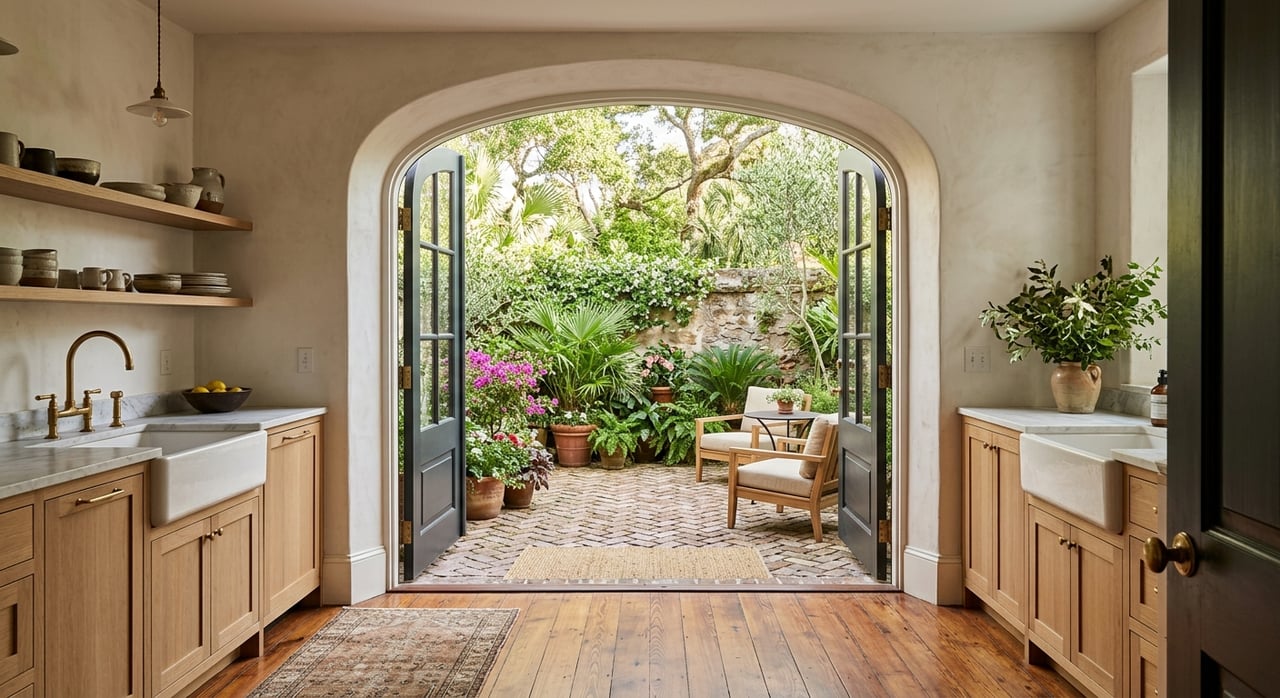
If you own a home in Historic Old Northeast, pricing it can feel tricky right now. You are not selling just square footage in a St. Petersburg ZIP code. You are selling a specific mix of historic character, lot utility, renovation quality, and lifestyle appeal, and buyers in this neighborhood notice the details. In this guide, you will learn what is shaping value in today’s market and how to think about pricing with more confidence. Let’s dive in.
Why pricing is different here
Historic Old Northeast is not a typical neighborhood market. The area, also known locally through the North Shore Historic District, is known for its early- to mid-20th-century homes, preserved streetscape, brick streets, hexagonal sidewalks, and proximity to Tampa Bay and Coffee Pot Bayou.
That combination creates a lifestyle premium as much as a location premium. Buyers are often drawn to the setting, architecture, and overall feel of the neighborhood, so pricing tends to be much more property-specific than in a more uniform subdivision.
What today’s numbers suggest
Recent market snapshots show just how different Historic Old Northeast is from the broader St. Petersburg and Pinellas County markets. In March 2026, Old Northeast had a median sale price of $1.66 million, homes sold after 55 days on average, and the median sale-to-list ratio was 92.5%.
That same month, only 3 homes sold in the neighborhood. By comparison, St. Petersburg overall was around a $491,000 median sale price with homes going pending in about 35 days, while Pinellas County single-family homes showed a $456,000 median sale price, 37 days to contract, 72 days to sale, and 94.7% of original list price received.
The big takeaway is simple. Historic Old Northeast is a thinner, premium market, and that means one unusual sale can distort expectations. If you are pricing your home, you need to look beyond one standout comp and build a wider, more balanced picture.
Start with matched recent sales
The best pricing strategy starts with recent closed sales that actually resemble your home. That means looking at homes with a similar era, architectural style, condition, and lot profile rather than pulling a few random sales from the neighborhood and averaging them together.
Because the neighborhood had only 3 sales in March 2026, it is especially important to triangulate from several nearby transactions. In a low-volume market, one outlier can make a home seem overpriced or underpriced when it is really neither.
Why one comp is not enough
If one recent sale had an oversized lot, another had a more complete renovation, and a third had stronger park or waterfront proximity, they are not interchangeable. Each home can attract a slightly different buyer pool.
That is why pricing in Historic Old Northeast should be based on adjustments, not shortcuts. A good price opinion uses sold properties first, then compares your home against current competition, then accounts for the features that make your home more or less compelling.
Historic character matters
In this neighborhood, original character is part of the value story. The district is tied closely to its preserved housing stock and streetscape, so homes that retain architectural integrity often compare differently from homes that were heavily altered or rebuilt in a way that feels inconsistent with the area.
That does not mean every older feature automatically adds value. Buyers usually respond best when the character is intact, visible, and well maintained. A charming front elevation, original details, and a cohesive design can support stronger pricing than a home that feels stripped of its historic identity.
Character alone does not carry the price
Historic appeal helps, but buyers still care about livability. If your home has great character but deferred maintenance or outdated systems, buyers may factor that into what they are willing to pay.
In other words, charm opens the door, but condition helps close the gap between interest and action. In today’s market, the best results often come from balancing authenticity with functionality.
Renovation quality can change value fast
Not all updates are viewed the same way by buyers. In St. Petersburg, certain work on historically designated property may require a certificate of appropriateness, and the city’s design guidelines were created to help owners and contractors interpret style and design requirements.
That matters because renovated is not a single category. A thoughtful, permitted, historically sympathetic update may support a higher asking price, while a cosmetic flip or incomplete project may not create the same confidence.
Buyers look past surface finishes
In a neighborhood like Historic Old Northeast, buyers often look beyond fresh paint and new fixtures. They tend to notice whether the renovation feels consistent with the home’s architecture and whether the work appears complete and intentional.
The market examples in the research support that point. A 1952 home on 35th Ave NE sold for $750,000 after 4 days, while a 1922 bungalow at 209 35th Ave N sold for $527,500 after 43 days. Those sales do not prove that one factor alone drove the difference, but they show how condition, lot profile, and overall presentation can materially affect pricing and pace.
Lot size and outdoor function count
In Historic Old Northeast, buyers are not just evaluating the house itself. Lot size, usable yard space, parking, alley access, and room for outdoor living can all influence how a property is perceived.
This is especially true in a neighborhood where outdoor enjoyment is part of the appeal. A home with a more functional lot may attract stronger interest than a similar house on a tighter or less usable parcel.
Small lot differences can feel big
The difference does not have to be dramatic to matter. Recent sales show how lot profile can contribute to value spread when combined with other factors.
For example, 209 35th Ave N sat on a 5,462-square-foot lot and sold for $527,500 after 43 days, while 410 35th Ave NE sat on an 8,712-square-foot lot and sold for $750,000 after 4 days. Lot size alone did not set the price, but it clearly affected how buyers read the opportunity.
Lifestyle location still drives demand
Historic Old Northeast benefits from a strong lifestyle draw. The area’s waterfront orientation is a major part of its appeal, and the neighborhood’s walkability and bikeability add to that value for many buyers.
If your home is closer to parks, waterfront routes, or other highly desirable edges of the neighborhood, that can shape pricing. Two homes with similar square footage may not command the same number if one offers a stronger day-to-day lifestyle experience.
Insurance and coastal risk affect pricing too
There is also a practical side to buyer decision-making. Like much of coastal St. Petersburg, Historic Old Northeast comes with flood and wind considerations, and buyers may weigh those costs and risks as part of what they can afford and what they are willing to pay.
Neighborhood data flags Old Northeast as having severe flood risk and extreme wind risk. Even when buyers love the architecture and location, insurance questions and resilience concerns can influence both demand and pricing power.
Use days on market as a pricing guardrail
It helps to keep timing in perspective. In Historic Old Northeast, homes sold after 55 days on average, and the median sale-to-list ratio was 92.5%.
That is a useful reminder that the neighborhood still commands premium pricing, but it does not reward overreaching. If your initial list price stretches too far past what buyers can justify for your specific property, you may lose momentum and end up chasing the market down.
Premium does not mean price-proof
Sellers sometimes assume that because the neighborhood is highly desirable, buyers will overlook pricing gaps. Recent data suggests otherwise.
St. Petersburg overall still shows active demand, so broad buyer interest is not the main issue. The bigger question is whether your price reflects the actual home, not just the neighborhood name.
A practical pricing framework for sellers
If you are preparing to sell in Historic Old Northeast, this is a smart way to think about pricing:
- Start with several recent sold homes that match your home’s era, style, condition, and lot profile
- Compare your home to active listings that a buyer would realistically consider instead
- Adjust for historic character, renovation quality, lot size, parking, and outdoor utility
- Factor in proximity to waterfront areas, parks, and other lifestyle features
- Be realistic about flood, wind, and insurance-related buyer concerns
- Use average days on market and list-to-sale ratios as guardrails, not guarantees
If your property may have local historic designation or exterior review requirements, confirm those details before making assumptions about renovation scope, cost, or timing. That clarity can also help you position the home more accurately when pricing it for market.
What this means for your sale
In today’s market, the cleanest pricing strategy is to treat Historic Old Northeast as a collection of highly individual homes, not a single price bucket. Buyers will pay a premium here, but they tend to pay the strongest premium for homes that align on character, condition, and usability.
That is where local, neighborhood-level judgment matters. When you price with the details in mind, you give yourself a better chance to attract serious buyers, protect your negotiating position, and avoid the drag that often comes with overpricing.
If you are thinking about selling a home in Historic Old Northeast, Brittany Sanderson at Drift Home Realty can help you evaluate the right pricing strategy for your property and your goals.
FAQs
How should you price a Historic Old Northeast home in today’s market?
- Start with several recent sold homes that closely match your property’s style, era, condition, and lot profile, then adjust for features like renovation quality, parking, and proximity to waterfront or parks.
Does historic character increase value in Historic Old Northeast?
- It can, especially when original character is intact and well maintained, because preserved architecture and streetscape are a major part of the neighborhood’s buyer appeal.
Do renovations matter when selling a Historic Old Northeast home?
- Yes. Buyers often respond more strongly to thoughtful, permitted, historically compatible updates than to cosmetic or incomplete renovations.
How long does it take to sell a home in Historic Old Northeast?
- Recent sales ranged from about 4 days to 69 days, with the neighborhood average at 55 days.
Why can pricing vary so much between homes in Historic Old Northeast?
- This is a low-volume, premium market where details like lot size, architectural integrity, outdoor utility, and lifestyle location can materially change buyer demand and value.
